
We’ve all been there—you open an app to buy a single item and somehow end up with a cart full of unplanned purchases. An hour later, you’ve spent ₹3,000 when you only intended to spend ₹300.
Indian e-commerce platforms are carefully engineered to separate you from your money as quickly as possible. Features like countdown timers, artificial scarcity warnings (“Only 2 left in stock!”), and friction-free one-click payments capitalize on consumer psychology to trigger impulse buys.
However, once you understand how these design mechanics work, you can beat the system. This practical guide breaks down actionable, proven strategies to regain control of your digital wallet, shop with intention, and eliminate buyer’s remorse.
Why We Overspend Online: The Psychology Behind the Cart
Before diving into solutions, it helps to understand why online overspending happens so easily. E-commerce platforms use specific psychological triggers to lower your defenses:
- The Reduced “Pain of Paying”: Paying with UPI, credit cards, or digital wallets feels effortless because there is no physical exchange of cash. Behavioral economics shows that people spend significantly more when payments are frictionless, as the brain doesn’t register the immediate loss of resources.
- Artificial Urgency & FOMO: Banners flashing “Deal of the Day” or tickers saying “Sale ends in 02:03:45” create a false sense of scarcity. This triggers the Fear Of Missing Out (FOMO), forcing you to act before thinking critically.
- Algorithmic Hyper-Personalization: The “Frequently bought together” and “You might also like” sections are not casual suggestions. They are powered by predictive machine learning algorithms designed to maximize average order value (AOV) by targeting your specific behavioral vulnerabilities.
10 Tactical Strategies to Stop Impulse Buying
1. Maintain a Friction-Backed Shopping List
The simple act of pre-committing to a list removes room for impulse decisions. Write down exactly what you need before opening any shopping app. Keep this list on a physical notepad or a dedicated text file entirely separate from your shopping applications.
To maximize efficiency, build a weekly list every Sunday for recurring household needs and restrict your shopping windows to once or twice a week. If an item isn’t on the list, it doesn’t enter the cart.
2. Enforce the 24-to-72-Hour Cooling Period
When you discover an unplanned item you want to purchase, immediately close the tab and implement a mandatory waiting period:
| Purchase Value | Required Waiting Period |
| Under ₹1,000 | 24 Hours |
| ₹1,000 to ₹5,000 | 48 to 72 Hours |
| Over ₹5,000 | 7 Days |
Most impulse urges subside significantly after 24 hours. If you still desire the item after the cooling period, it transitions from a reactive impulse to a considered want.
3. Treat Your Wishlist as a “Thinking Zone”
Your shopping cart is a transactional buying zone; your wishlist should be treated as a deliberative thinking zone. Moving items to your wishlist creates a physical and psychological barrier to checkout.
As a structural benefit, major Indian e-commerce sites track wishlist engagement and frequently trigger automated push notifications or emails when those specific items drop in price.
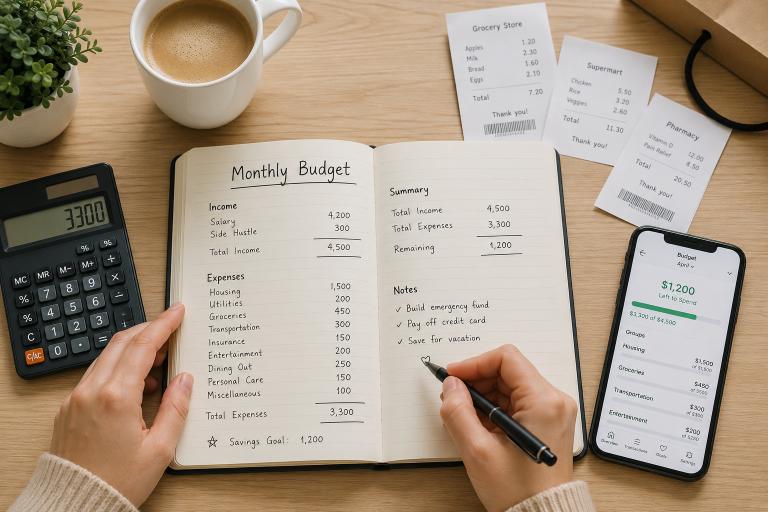
4. Implement a Rigid, Pre-Funded Monthly Budget
Treat online shopping like a fixed utility bill. Allocate a specific, non-negotiable amount at the beginning of each month for non-essential purchases.
To prevent overspending, transfer this exact sum into a separate digital wallet (such as an Amazon Pay balance or a dedicated prepaid card) and use only that instrument for discretionary shopping. Once the balance hits zero, shopping freezes until the next calendar month.
5. Validate Prices Across Platforms and History
The price displayed on a primary platform is rarely the absolute lowest market rate. Before checking out, perform a quick 2-minute validation process:
- Cross-Platform Check: Compare the exact SKU across major platforms like Amazon India, Flipkart, and Myntra.
- Use Price Aggregators: Utilize Google Shopping to scrape alternative Indian D2C (Direct-to-Consumer) storefronts.
- Analyze Price Histories: Use price tracking tools and browser extensions (like Smartprix or Keepa) to review the item’s historical pricing chart. Many “60% off” claims are calculated against an artificially inflated Maximum Retail Price (MRP) rather than the actual average selling price.
6. Introduce Strategic UI Friction
E-commerce companies spend millions removing friction from checkout workflows; you should intentionally add it back. Move all shopping applications off your smartphone’s primary home screen into a hidden folder, or delete the apps entirely.
Forcing yourself to log into the mobile web version of a platform adds a layer of operational friction. That extra 10 to 15 seconds required to access the marketplace provides your brain with the necessary window to interrupt the automated scrolling habit loop.
7. Deconstruct the “Discount” Illusion
A steep discount on an unneeded item is an absolute expense, not a saving. During major Indian retail events (like the Great Indian Festival or Big Billion Days), ask yourself one calibrating question:
“Would I buy this item at its full retail price if it weren’t currently on sale?”
If the answer is negative, the discount is a marketing trap designed to manufacture a need.
8. Audit Reviews by Filtering for Negative Sentiments
High aggregate star ratings can be manipulated via incentivized or fraudulent reviews. To evaluate product quality accurately:
- Filter reviews specifically to read the 1-star and 2-star ratings first. This exposes systemic product defects, poor packaging, or widespread regional logistics failures.
- Verify the text for specific structural complaints rather than generic anger.
- Run the product URL through review analysis engines like Fakespot or ReviewMeta to assess the authenticity profile of the listing’s feedback data.
9. Restrict the Use of Consumer Credit and BNPL Engines
Buy Now Pay Later (BNPL) services and low-cost EMIs make significant financial outlays look deceptively manageable by breaking a large sum into smaller monthly chunks.
However, stacking multiple micro-EMIs quickly erodes your monthly cash flow. Reserve consumer credit instruments strictly for high-utility, emergency replacements (like a broken work laptop or a failed refrigerator)—never use them to finance lifestyle or impulse purchases.
10. Run a Quarterly Order History Audit
Open your e-commerce accounts and review every purchase made over the trailing 90 days. Categorize each item based on its current utility:
[Total Trailing Purchases]
       │
       ├─► Consumed / Regularly Utilized (High Value)
       ├─► Infrequently Touched (Low Value)
       └─► Completely Unused / In Storage (Waste)
Facing the cold data of past spending builds objective awareness, naturally tightening your spending habits moving forward.
Pro-Tips for Optimizing Essential Purchases
When purchasing items that are verified necessities, utilize these micro-optimization tactics to minimize final invoice costs:
- Bank-Led Instant Discounts: Check the payments page for rotating 10% instant discounts linked to specific banking institutions (such as HDFC, SBI, ICICI, or Axis).
- Consumable Subscriptions: For recurring household essentials (like detergents, coffee, or personal care products), utilize automated subscription models to lock in an immediate 5% to 15% recurring discount.
- Bulk Unit Calculations: Always analyze the price-per-unit or price-per-gram on bundle packs. Larger volumes are generally cheaper per unit, provided the item is shelf-stable and will be fully consumed.
Conclusion: Shifting Your Shopping Mindset
Smart online shopping isn’t fundamentally about collecting coupons or tracking down cashbacks; it is about managing your attention and your impulses. The goal is to move from a reactive question (“How do I get the best deal on this item?”) to an objective baseline (“Does this item add clear, measurable value to my day-to-day life?”).
Every time you step away from an unneeded impulse purchase, you haven’t missed a deal—you’ve successfully preserved your capital.
The Smart Shopping Checklist
Before clicking the final payment or checkout button, run your current cart through this structural validation sequence:
1.Verify the Pre-Planned List:
Confirm that the item was deliberately written down on your shopping list prior to opening the application.
2.Confirm the Cooling Window:
Ensure the item has successfully cleared its mandatory 24-to-72-hour waiting period based on its total value.
3.Run Cross-Platform Price Tracking:
Check at least one competing platform and review historical price charts to verify the discount is genuine.
4.Audit Critical Feedback:
Read the recent 1-star and 2-star verified purchase reviews to ensure there are no systemic product defects.
5.Assess Budget and Payment Terms:
Verify the purchase fits comfortably within your monthly discretionary limit and can be paid for upfront without relying on non-essential EMIs.
Leave a Reply